
Get a FREE digital
copy of Renovate Handbook!
Just sign up to our newsletter and we'll send it your way.
Get Renovate HandbookImproving Acoustic Comfort in Renovations
Traffic, neighbours, footsteps upstairs. A renovation is the best time to fix noise problems. Here are 9 practical ways to make your home quieter.

Does your home always seem noisy, even with the doors and windows closed, and would you like somewhere you can relax, work or spend time with your family without unwanted noise? If so, acoustic comfort deserves a place in your renovation plans. A renovation is a great opportunity to reduce noise from outside, cut down the sound travelling between rooms and create a calmer living environment, and with the right materials and design choices your home can feel quieter every day. Here are nine practical ways Australian homeowners can improve acoustic comfort during a renovation.
1. Understand where the noise comes from
Before choosing any solution, it helps to pin down the main noise problem, because different sources need different fixes. Common culprits include:
- Outside traffic
- Neighbours
- Aircraft or trains
- Loud appliances
- Bathrooms and laundries
- TVs, music or conversations
- Footsteps between floors
Traffic noise may call for better windows, for example, while noise between bedrooms may need wall insulation or better doors.
2. Add acoustic insulation to walls and ceilings
Acoustic insulation helps reduce the sound travelling between rooms, which is especially useful around bedrooms, home offices, media rooms, bathrooms, laundries and shared walls. It is often far easier to install during a renovation than later, because the walls and ceilings may already be open.
3. Upgrade windows and glazing
Windows are a common entry point for outside noise, so if your home is near a busy road, school, airport or railway line, better glazing can make a noticeable difference. Options include thicker glass, acoustic laminated glass, double glazing, secondary glazing and better window seals, and good window design can improve comfort and energy efficiency at the same time.
4. Seal gaps around doors and windows
Sound travels through even small gaps. During a renovation, check around doors, windows, skirting boards, wall penetrations and service openings, because sealing these gaps with door seals, acoustic sealant or better frames helps reduce noise transfer and makes rooms feel quieter.
5. Choose solid doors
Hollow doors let sound pass through easily. Replacing them with solid-core doors improves privacy and reduces noise between bedrooms, bathrooms, home offices, media rooms and shared living areas, and adding door seals improves the result further.
6. Think about room layout
A smart layout can reduce noise problems before they start. Keeping bedrooms away from noisy living areas, placing laundries away from quiet rooms, using wardrobes or storage rooms as buffers and positioning home offices in quieter parts of the house can all make the home feel calmer without relying only on expensive materials.
7. Reduce echo inside rooms
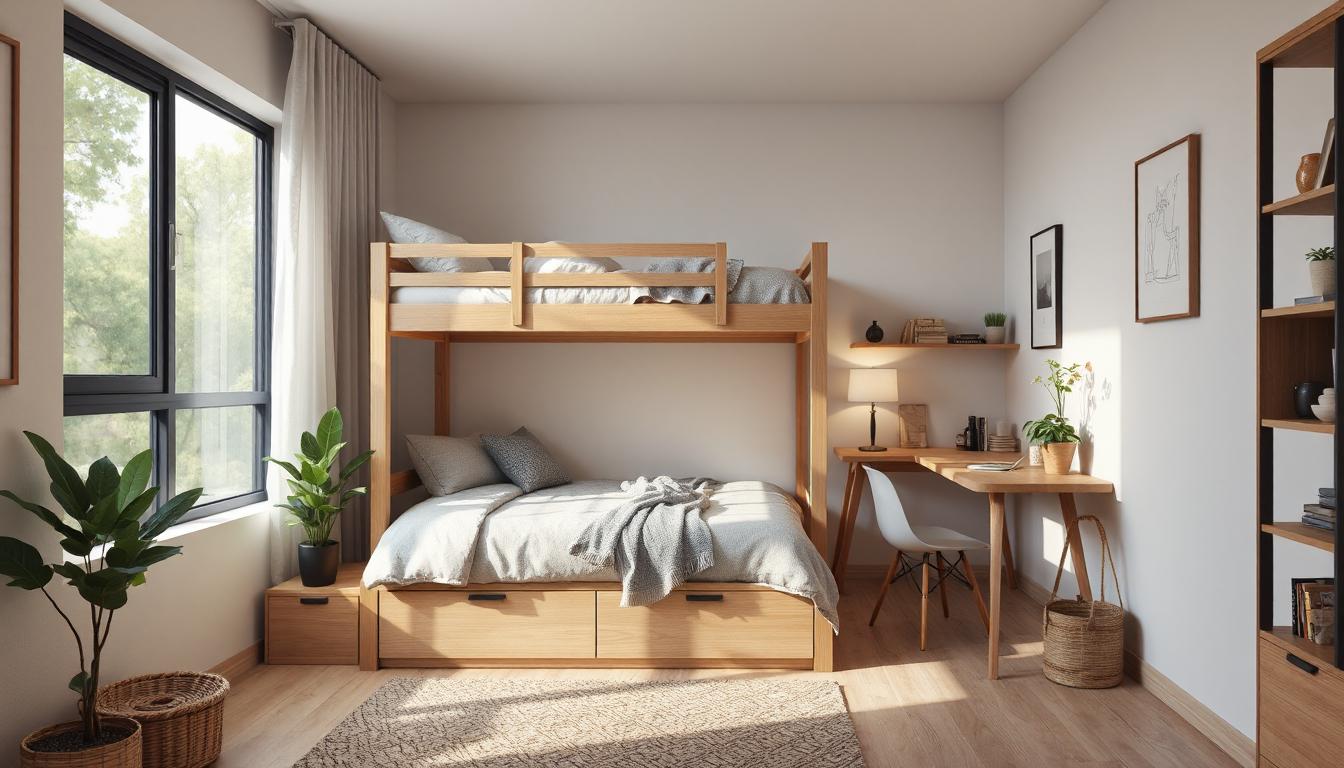
Acoustic comfort is not only about blocking noise but also about reducing echo. Large open-plan spaces with hard floors, glass and high ceilings can feel noisy because sound bounces around, and rugs, curtains, upholstered furniture, timber features, acoustic panels and soft furnishings all help make living areas feel warmer and quieter.
8. Improve flooring between levels
In two-storey homes, footsteps and movement upstairs can be a major source of noise. Acoustic underlay, carpet in bedrooms, insulation between floors, better ceiling systems and softer floor finishes all help reduce this impact noise.
9. Plan noise control for home offices and media rooms
Some rooms need extra acoustic planning. A home office may need privacy for calls, while a media room may need better sound control so it does not disturb the rest of the house, and acoustic insulation, solid doors, good seals, soft furnishings and wall or ceiling treatments can make both rooms work much better.
Creating a quieter home starts with making the right decisions during your renovation, and a few well-planned changes can make a real difference to your comfort, privacy and everyday living.
Frequently Asked Questions
Is a renovation a good time to soundproof? Yes. Acoustic insulation is often much easier to install during a renovation, because walls and ceilings may already be open.
What glazing helps reduce outside noise? Thicker glass, acoustic laminated glass, double glazing, secondary glazing and better window seals can all help reduce noise from roads, schools, airports and railways.
Do solid-core doors reduce noise? Yes. Hollow doors let sound pass through easily, so solid-core doors with good seals improve privacy between rooms.
Why does my open-plan living area feel so noisy? Hard floors, glass and high ceilings make sound bounce around. Rugs, curtains, upholstered furniture and acoustic panels help reduce echo.
How can I reduce footstep noise from upstairs? Acoustic underlay, carpet in bedrooms, insulation between floors and better ceiling systems all help reduce impact noise.
Let us help you create a quieter home
At Refresh Renovations, we help homeowners across Australia create homes that are comfortable, practical and designed around their lifestyle. Whether you are planning a full home renovation, an interior layout upgrade, an extension, a kitchen or bathroom renovation, a home office or better insulation and soundproofing, our team can help bring your ideas to life, so get in touch with us to talk about creating a home designed for everyday comfort.
Related Articles and Projects
Improving Home Insulation Through Renovation
How to Upgrade Your Home's Layout Without Extending
Read Next


All Refresh Renovations franchises are independently owned and operated.
Processing...

Talk to a renovation consultant today
If you would like to find out how Refresh Renovations can support you with a high quality, efficient home renovation, get in touch today. Your local Refresh Renovations consultant will be happy to meet with you for a free, no obligations consultation.