
Get a FREE digital
copy of Renovate Handbook!
Just sign up to our newsletter and we'll send it your way.
Get Renovate HandbookHow to Design a Multi-Functional Space for Modern Living
Make every square metre count with clever design ideas for creating flexible, multi-use rooms. Explore smart storage solutions, modular furniture, and simple zoning techniques to help your home adapt to modern living.
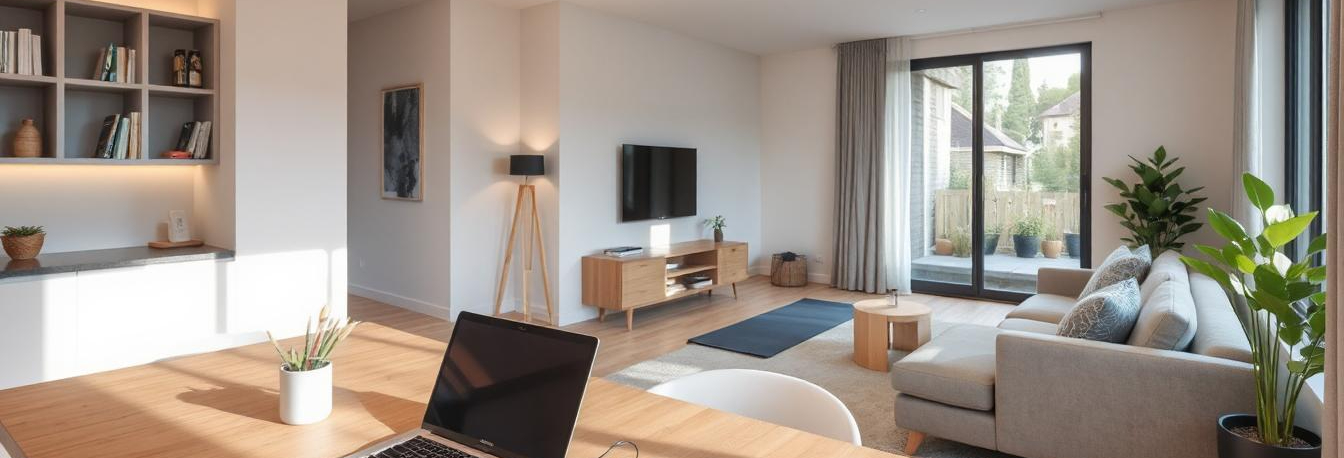
Do you ever wish one room in your home could do more than just one job? Wouldn’t it be nice if your guest room could double as an office or your living area could transform into a play zone? Modern homes are getting smarter, not bigger. That’s why multi-functional spaces are becoming so popular, they let you make the most of every square metre. With some innovative design ideas, you can transform a single room into a flexible, practical, and stylish space that adapts to your changing needs.
Let’s explore various creative ways to design a multifunctional space that suits your lifestyle.
How to Design a Multi-Functional Space for Modern Living?
Here are some easy and practical ways to design multi-functional spaces that work for your lifestyle.
- Choose Furniture That Does Double Duty
Multi-purpose furniture is your best friend when it comes to creating flexible spaces. A sofa bed is an excellent option if you often have guests, as it can function as a couch during the day and a bed at night. You can also use storage ottomans that double as seating or coffee tables while hiding away blankets, books, or toys. In smaller homes, try fold-down desks or Murphy beds, which can be tucked away when not in use. These clever designs save space without sacrificing comfort or style.
.jpg)
- Use Smart Storage Solutions
Keeping things tidy is key to maintaining a multi-functional room. Invest in built-in wardrobes, floating shelves, or modular storage units that can be adjusted to meet your changing needs. Under-bed drawers or pull-out baskets are perfect for hiding items you don’t use daily. You can even use hidden storage benches to keep things organised in living areas. Good storage helps your space quickly transition from one purpose to another, such as from a work zone to a relaxing lounge, in just a few minutes.
- Divide the Space Wisely
Open spaces are great, but defining zones helps your home feel more structured. Use rugs, furniture placement, or room dividers to separate areas. For example, a rug can outline your living space, while a bookshelf can divide a home office from a play area. You can also use sliding doors or sheer curtains to create privacy while still allowing light to pass through. It’s a simple trick that makes your space look organised and intentional.
- Focus on Lighting and Mood
Lighting changes how a space feels and functions. Utilise various types of lighting for different activities. For example, bright task lighting works best for study or office spaces, while warm ambient lighting sets the tone for relaxation. Install dimmable switches to adjust the brightness easily. Natural light is just as important. Keep windows clear of heavy curtains to make the room feel open and fresh.
.jpg)
- Create Flexible Work and Relax Zones
With more people working from home, having areas that transition seamlessly between work and leisure is essential. Set up a small home office nook that blends seamlessly with your living space, such as a corner desk or a built-in shelf. Add a comfy chair that can double as a reading space later. If you have kids, a shared play-and-learn area helps keep everything in one place. Add low shelves for toys and study materials, so they can easily transition between fun and focus.
- Keep the Colour Palette Consistent
Colours can make or break the balance in a multi-functional room. Stick to neutral base colours such as white, beige, or soft grey. They make spaces feel calm and cohesive. Then, add pops of colour with cushions, art, or rugs to define each zone without overwhelming the room. Using similar shades across areas helps tie everything together, so your room looks well-designed even when used for different purposes.
- Think Vertical and Hidden
When floor space is limited, think upwards. Add tall bookshelves, wall-mounted desks, or hanging plants to utilise empty wall space. You can also hide clutter in clever ways, for instance, under-stair drawers, foldaway tables, or built-in cabinets. These small changes give you more space to move around and make the area feel bigger than it really is.
- Choose Movable and Modular Furniture
Movable furniture allows you to change the setup at any time. Modular sofas can be rearranged into a lounge, a guest bed, or two smaller seating areas. Foldable tables and rolling storage carts can be tucked away when not in use. The flexibility allows you to adapt the space for different occasions, whether it’s a quiet workday, a family gathering, or movie night.
.jpg)
These smart design ideas can turn even the smallest home into a stylish, multi-use haven. But to make everything work perfectly together.
Transform Your Home with Refresh AU
At Refresh Renovations Australia, we specialise in creating homes that are not only beautiful but also practical for modern living. Our experienced team helps you plan, design, and build spaces that adapt to your lifestyle. We take care of everything, from design and planning to construction and finishing touches.
Get in touch with Refresh AU today to design a home that’s flexible, functional, and future-ready.
Read Next
-amended%20(1).jpg)
All Refresh Renovations franchises are independently owned and operated.
Processing...

Talk to a renovation consultant today
If you would like to find out how Refresh Renovations can support you with a high quality, efficient home renovation, get in touch today. Your local Refresh Renovations consultant will be happy to meet with you for a free, no obligations consultation.