
Get a FREE digital
copy of Renovate Handbook!
Just sign up to our newsletter and we'll send it your way.
Get Renovate HandbookRenovating Apartments and Strata Properties
Strata renovations play by different rules. Here's what Australian homeowners should check before starting an apartment renovation.
Do you want to upgrade your apartment to make it feel more modern and functional? Are you unsure about the rules, approvals, or restrictions involved in renovating a strata property? If you answered yes, you're not alone. Renovating an apartment or strata property can be very different from renovating a standalone house, and along with design and construction work, homeowners often need to consider strata approvals, shared building rules, noise restrictions, building access, and limitations around plumbing or structural changes.
The good news is that with proper planning and the right renovation approach, apartments and strata properties can still be transformed into comfortable, practical, and visually appealing homes. Let's explore important things Australian homeowners should know before renovating apartments and strata properties and how to approach the process more effectively.
Important Things to Know Before Renovating Apartments and Strata Properties in Australia
Renovating an apartment or strata property is usually more complicated than renovating a normal house, so here are some important things homeowners should know before starting.
Check the Strata Rules First
Before planning any renovation work, it's important to carefully read the strata by-laws and building rules, since different apartment buildings may have very different requirements around flooring, bathroom renovations, plumbing work, structural changes, renovation working hours, and noise restrictions. Some smaller cosmetic changes may not need approval, while larger renovations usually require formal permission from the strata committee or owners corporation, and checking the rules early helps avoid delays and unexpected problems later.
Understand Which Renovations Need Approval
Not every renovation requires the same level of approval. Painting walls may not need approval, minor renovations may only require simple permission, and structural work usually requires formal approval. Renovations involving plumbing, waterproofing, electrical work, removing walls, or flooring replacement often need approval because they can affect neighbouring apartments or common property, so homeowners should never assume approval is unnecessary.
Flooring Changes Can Be More Complicated
Changing flooring is one of the most common apartment renovation projects, but it often comes with extra rules, since many strata buildings have strict noise-control requirements because sound travels easily between apartments. Replacing carpet with timber flooring, tiles, or laminate flooring may require acoustic underlay, noise testing, or strata approval, and some buildings have specific rules about which flooring materials are allowed. Checking these requirements early helps avoid complaints and disputes later.
Bathroom and Kitchen Renovations Usually Need Extra Approval
Bathrooms and kitchens often involve plumbing, waterproofing, electrical systems, and shared building services, so these renovations usually require strata approval before work begins. Poor waterproofing or plumbing work can sometimes affect neighbouring apartments and create expensive damage later, which is why apartment buildings often have stricter rules for wet-area renovations.
Understand What Is Common Property
In strata properties, homeowners usually do not fully own every part of the apartment building. Common property may include external walls, balconies, ceilings, shared plumbing, structural walls, and windows, and renovation work involving common property almost always requires approval. Understanding what areas you can and cannot change is very important before planning the renovation.
Be Aware of Noise and Building Restrictions
Apartment renovations can directly affect neighbours living nearby, so many strata buildings have rules about construction hours, noise levels, lift usage, waste removal, and material deliveries. Some buildings may only allow renovation work during certain times or weekdays, and good communication with neighbours and building management can help the renovation process run more smoothly.
Plan Building Access Properly
Apartment renovations often involve more planning around logistics than house renovations, since limited parking, lift access, shared hallways, material deliveries, and rubbish removal can all affect how efficiently the project runs. Some buildings may require booking lift access, protective coverings in common areas, or contractor sign-ins, so planning these details early helps avoid delays during construction.
Structural Changes Can Be More Difficult
Removing walls or changing layouts inside apartments is often more complicated than homeowners expect, since structural changes may affect building stability, fire safety systems, and neighbouring units. These renovations typically need engineering assessment and formal strata approval before any work begins, which is why an experienced renovation team that understands strata processes can make a significant difference to how smoothly the project runs.
Frequently Asked Questions
1. How long does strata approval usually take for an apartment renovation? It varies by building and the scope of work, since some committees can approve minor renovations quickly while larger structural changes may need to go to a general meeting. Building this timeline into your renovation schedule early helps avoid frustration later.
2. Do I need strata approval to replace flooring in my apartment? In most buildings, yes, particularly if you're moving away from carpet to a harder surface, since noise transfer between apartments is a common strata concern. Acoustic underlay is often required as a condition of approval.
3. What counts as common property in a strata apartment? This typically includes external walls, balconies, structural elements, shared plumbing, and windows, though the exact definition depends on your strata plan. Checking your specific by-laws is the safest way to know what falls inside your renovation scope.
4. Can a strata committee refuse a renovation application? Committees can impose reasonable conditions and, in some cases, decline applications, particularly for structural or common property work. This is one reason a properly documented scope of works and licensed contractors matter when seeking approval.
5. Is it worth hiring a renovation company experienced with strata properties? Very much so, since a team that regularly works within strata buildings understands the approval process, common access constraints, and how to keep neighbours and building management informed, which typically makes the whole project smoother.
Renovate Your Apartment with Confidence
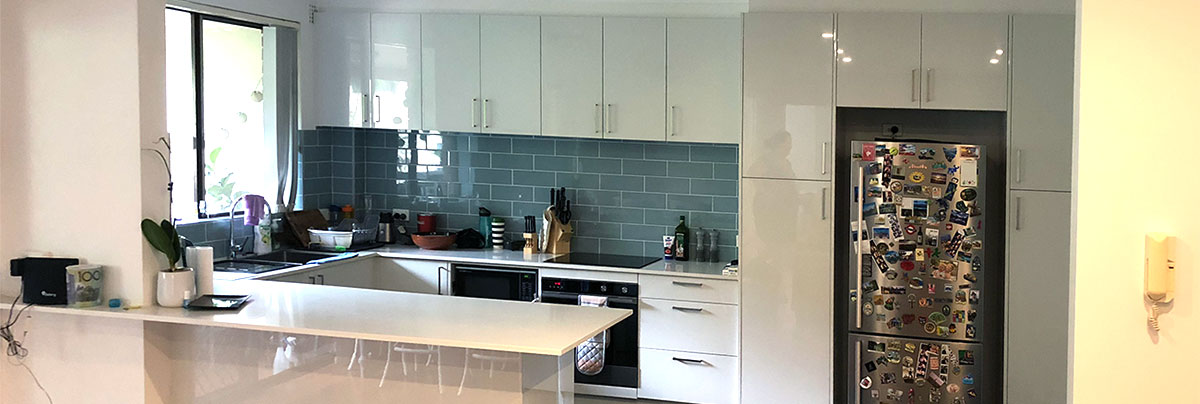
Renovating an apartment or strata property comes with extra layers of planning, but that doesn't mean the result has to be any less comfortable, practical, or visually appealing than a house renovation. This Canada Bay apartment kitchen renovation shows what's achievable even in a compact 1970s apartment, where removing a load-bearing wall and reworking the kitchen layout completely transformed how the space felt and functioned.
If you're planning an apartment or strata renovation, the Refresh Renovations team in Australia understands the approvals process and can help manage it smoothly from start to finish. Get in touch for a free consultation with your local Renovation Consultant.
Related Articles and Projects
Read Next

%20(1).jpg)
%20(1).jpg)
All Refresh Renovations franchises are independently owned and operated.
Processing...

Talk to a renovation consultant today
If you would like to find out how Refresh Renovations can support you with a high quality, efficient home renovation, get in touch today. Your local Refresh Renovations consultant will be happy to meet with you for a free, no obligations consultation.