
Get a FREE digital
copy of Renovate Handbook!
Just sign up to our newsletter and we'll send it your way.
Get Renovate HandbookBathroom Waterproofing: What Australian Homeowners Should Know
Bathroom waterproofing is one of the most important - and most overlooked - parts of any home renovation in Australia. Done properly, it prevents leaks, mould, and costly structural damage for years to come. This guide covers the 7 key things Australian homeowners need to understand before starting a bathroom renovation, from building standards and material selection to drainage, curing times, and ventilation.
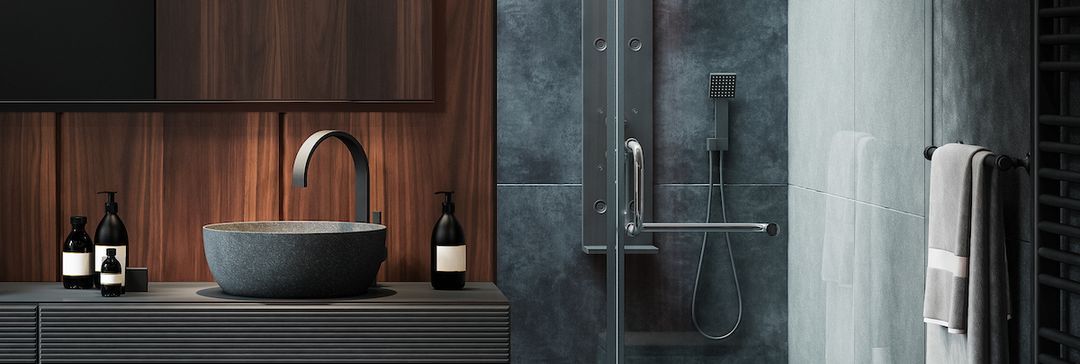
Planning a bathroom renovation and wondering how to avoid costly problems down the track? Bathroom waterproofing is one of the most important parts of any home renovation in Australia - yet many homeowners focus primarily on tiles, fittings, and layout, and give waterproofing less attention than it deserves.
Good waterproofing protects your home from leaks, mould, and structural damage. It helps your renovation last longer and supports the overall value of your property. Before your project starts, here's what every Australian homeowner should understand.
7 bathroom waterproofing essentials for Australian homeowners
1. Understand where waterproofing is actually needed
Many homeowners assume waterproofing is only required inside the shower. In reality, several areas of the bathroom may need protection - including shower walls and floors, areas around the bath, and sometimes the entire room, depending on your layout and building materials. If your home has timber flooring or the bathroom is on an upper level, waterproofing requirements become even more important. Proper coverage prevents water from leaking into lower levels and causing hidden structural damage.
2. Follow Australian building standards
Bathroom waterproofing in Australia must comply with the National Construction Code and Australian Standard AS 3740. These rules specify how membranes should be applied, how high waterproofing must extend on walls, and how drainage should function. Ignoring these requirements can lead to failed inspections, renovation delays, and expensive rectification work. Working with professionals who understand Australian building regulations helps ensure the renovation is done correctly the first time.
3. Choose the right waterproofing system and materials
Not all waterproofing products are equal. Some bathrooms require liquid membranes, while others need sheet membranes or specialised sealing systems. The right choice depends on your home's design, structure, and level of moisture exposure. Better-quality materials may cost more upfront but provide greater durability and reduce the risk of future failures - particularly important in busy family homes where bathrooms are used multiple times daily.
4. Plan for proper drainage and floor falls
Effective waterproofing isn't just about sealing surfaces - it's also about ensuring water flows toward the drain rather than pooling on the floor. Poor drainage creates ongoing moisture problems even when membranes are correctly applied. During a bathroom renovation, professionals typically adjust floor levels or install screeds to create the correct slope. This detail plays a significant role in keeping your bathroom safe, functional, and easy to maintain long-term.
5. Allow enough time for waterproofing to cure
Waterproofing is a step that cannot be rushed. Membranes need adequate time to dry and bond properly before tiles or fixtures are installed. Skipping or shortening curing time weakens the protection and increases the risk of leaks. A well-planned renovation schedule must include sufficient curing time as a non-negotiable stage - not a step to compress when timelines get tight.
6. Consider ventilation as part of moisture control
Waterproofing works best when combined with good ventilation. Exhaust fans, windows, and good airflow help remove steam and reduce condensation - lowering the chance of mould growth and keeping surfaces in better condition. Improving ventilation during a renovation makes the bathroom more comfortable and helps extend the life of both your waterproofing and your finishes over time.
7. Work with experienced renovation professionals
Bathroom waterproofing involves technical skill, compliance checks, and careful coordination between trades. Hiring experienced renovation professionals reduces the risk of errors, helps ensure compliance with Australian standards, and takes the stress out of managing multiple contractors. Professional project management also controls costs and helps avoid the common renovation mistakes that lead to expensive rectification work later.
Frequently asked questions
Is bathroom waterproofing required by law in Australia?
Yes. Bathroom waterproofing must comply with the National Construction Code and Australian Standard AS 3740. Non-compliant work can result in failed inspections and expensive rectification.
Where does waterproofing need to be applied in an Australian bathroom?
Waterproofing is required in shower recesses (walls and floor), around baths, on bathroom floors, and sometimes the entire bathroom. In homes with timber flooring or upstairs bathrooms, requirements are often more extensive.
How long does bathroom waterproofing need to cure before tiling?
Most membranes need a minimum of 24- 48 hours to cure before tiling begins. Rushing this step can compromise the membrane's integrity and lead to leaks.
What is the most common cause of bathroom leaks in Australian homes?
The most common causes include inadequate coverage, poor membrane application, insufficient curing time, incorrect floor falls, and failed joints at wall-to-floor junctions.
Protect your renovation with the right waterproofing approach
Bathroom waterproofing plays a major role in the long-term success of any home renovation in Australia. When done properly, it prevents water damage, supports structural safety, and keeps your bathroom looking fresh and functional for years.
The Refresh Renovations Australia team can guide you through every stage of your bathroom renovation, ensuring waterproofing and all compliance requirements are handled correctly from the start.
Planning a bathroom renovation in Australia? Talk to Refresh Renovations Australia →
Related reading:
→ How to Budget for a Home Renovation in Australia
→ How to Create a Relaxing Bathroom Sanctuary
→ Common Renovation Mistakes Australian Homeowners Make
Read Next

All Refresh Renovations franchises are independently owned and operated.
Processing...

Talk to a renovation consultant today
If you would like to find out how Refresh Renovations can support you with a high quality, efficient home renovation, get in touch today. Your local Refresh Renovations consultant will be happy to meet with you for a free, no obligations consultation.